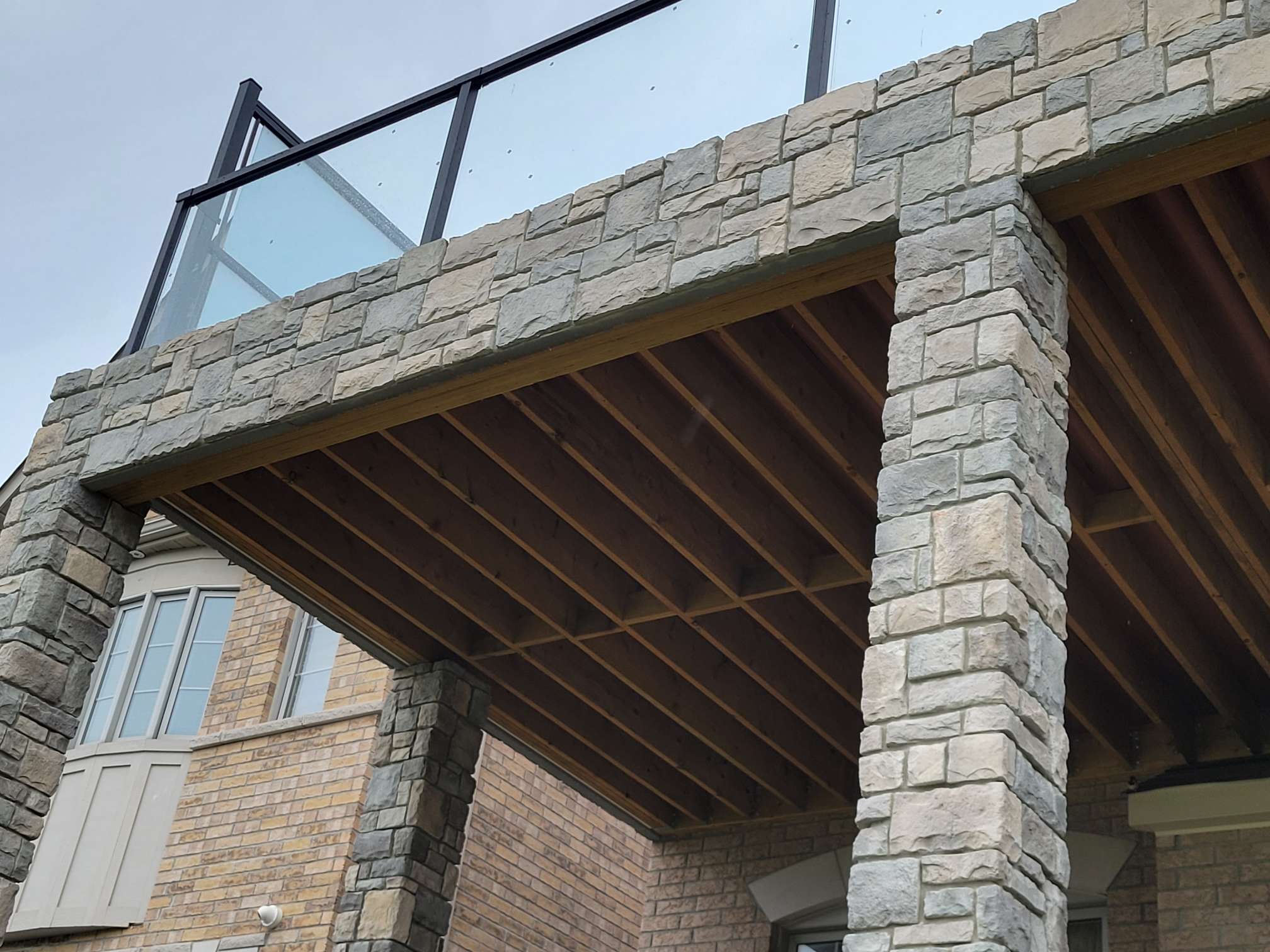
Natural and manufactured stone veneer, installed on its own or combined with stucco and mouldings, backed by a 10-year workmanship warranty and CCMC-approved materials and StoneSelex
When choosing stone veneer for your home, one of the biggest decisions is whether to use natural stone or manufactured stone veneer. Both can create a high-end, durable exterior, but they differ in appearance, weight, installation, maintenance, and cost. Understanding these differences can help you choose the option that best fits your home's style, budget, and long-term needs.


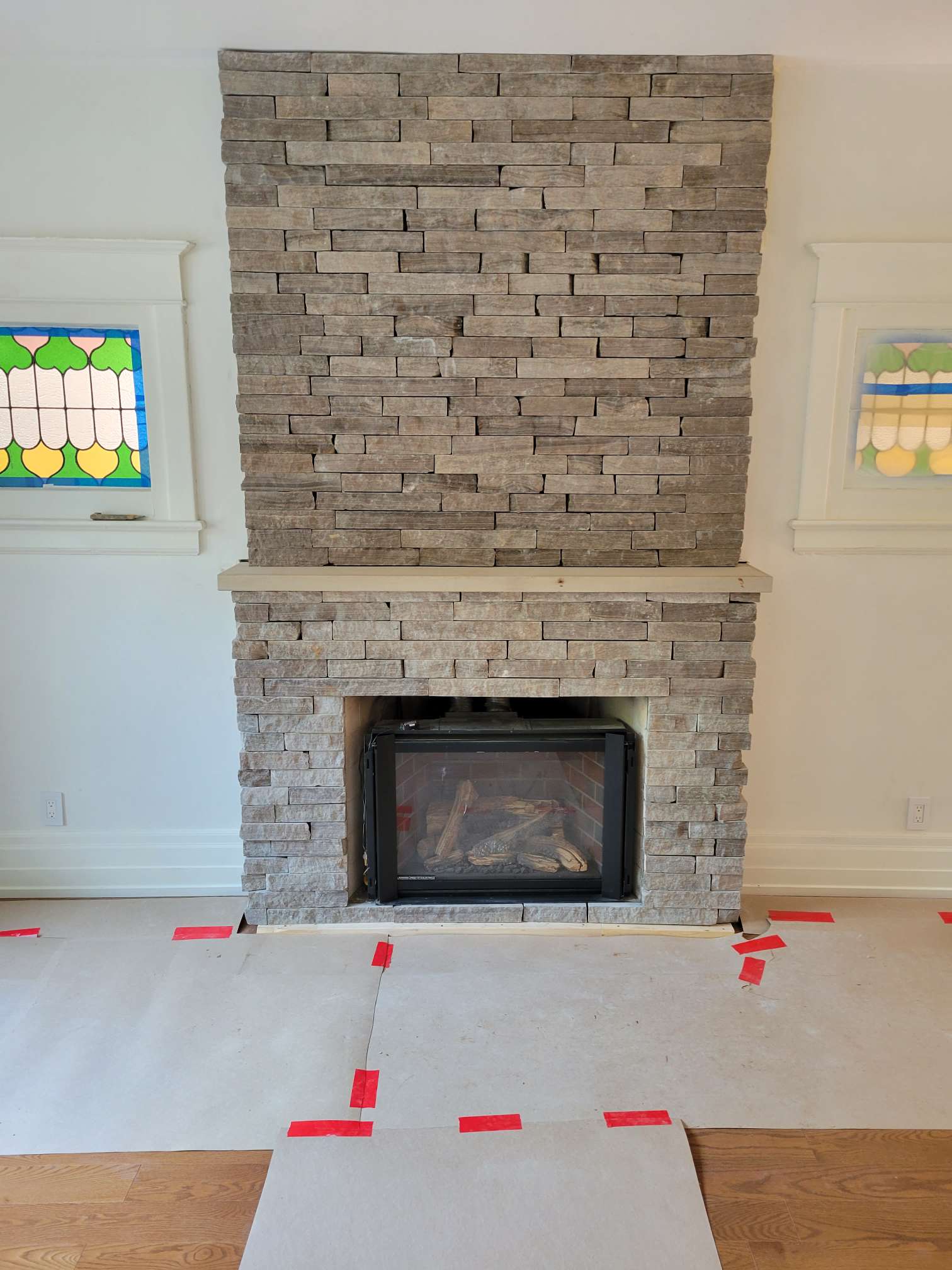
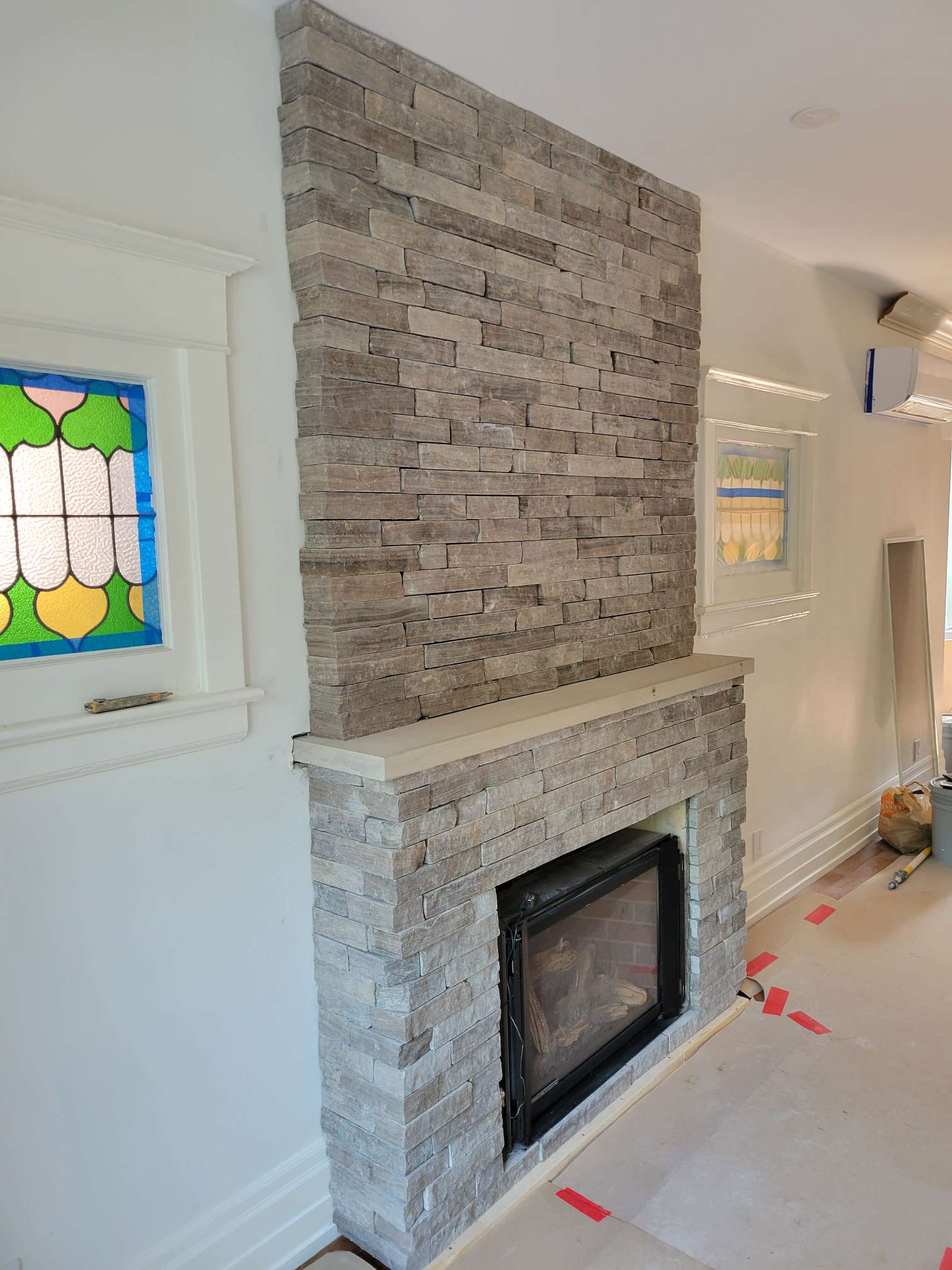
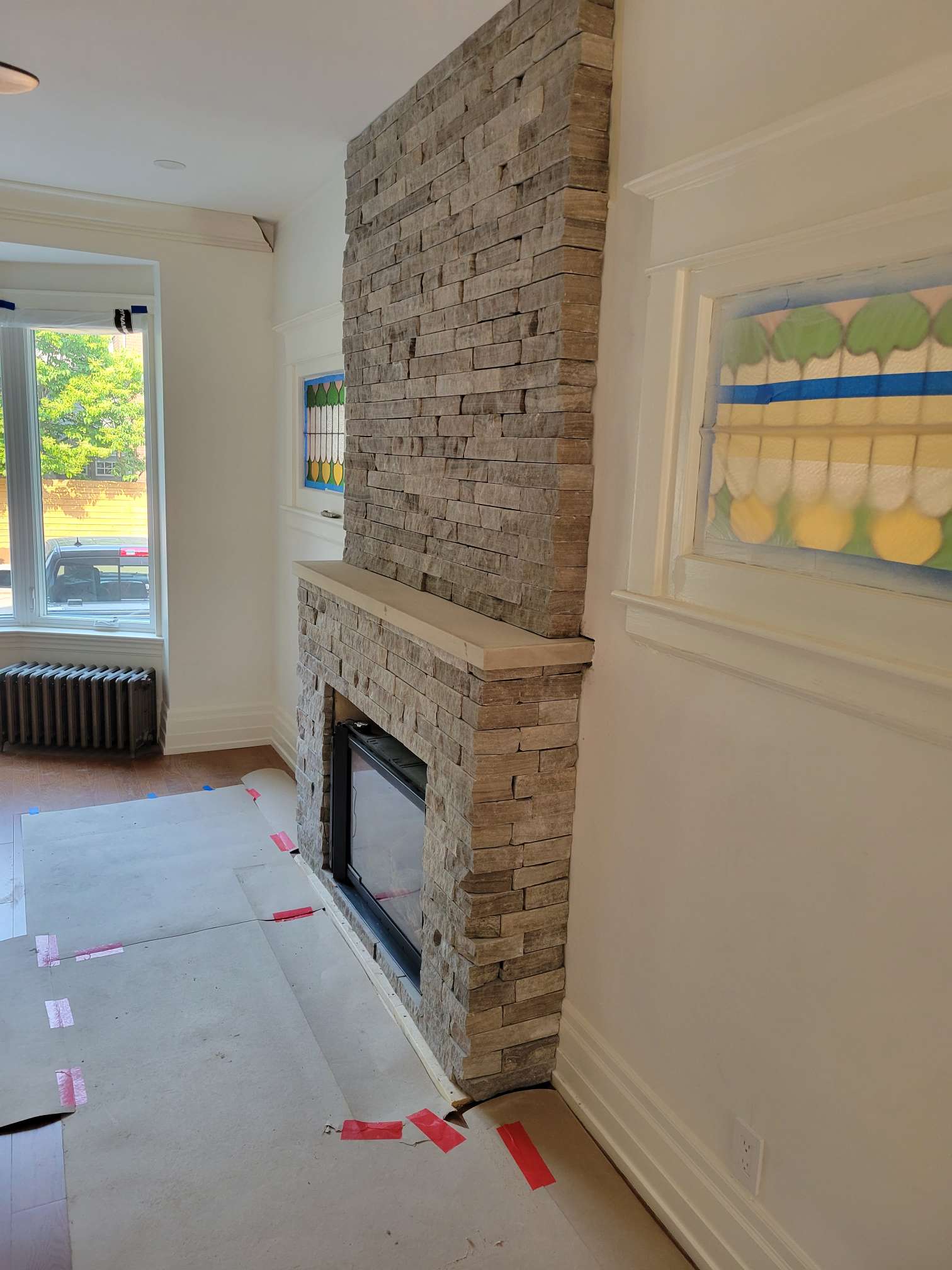
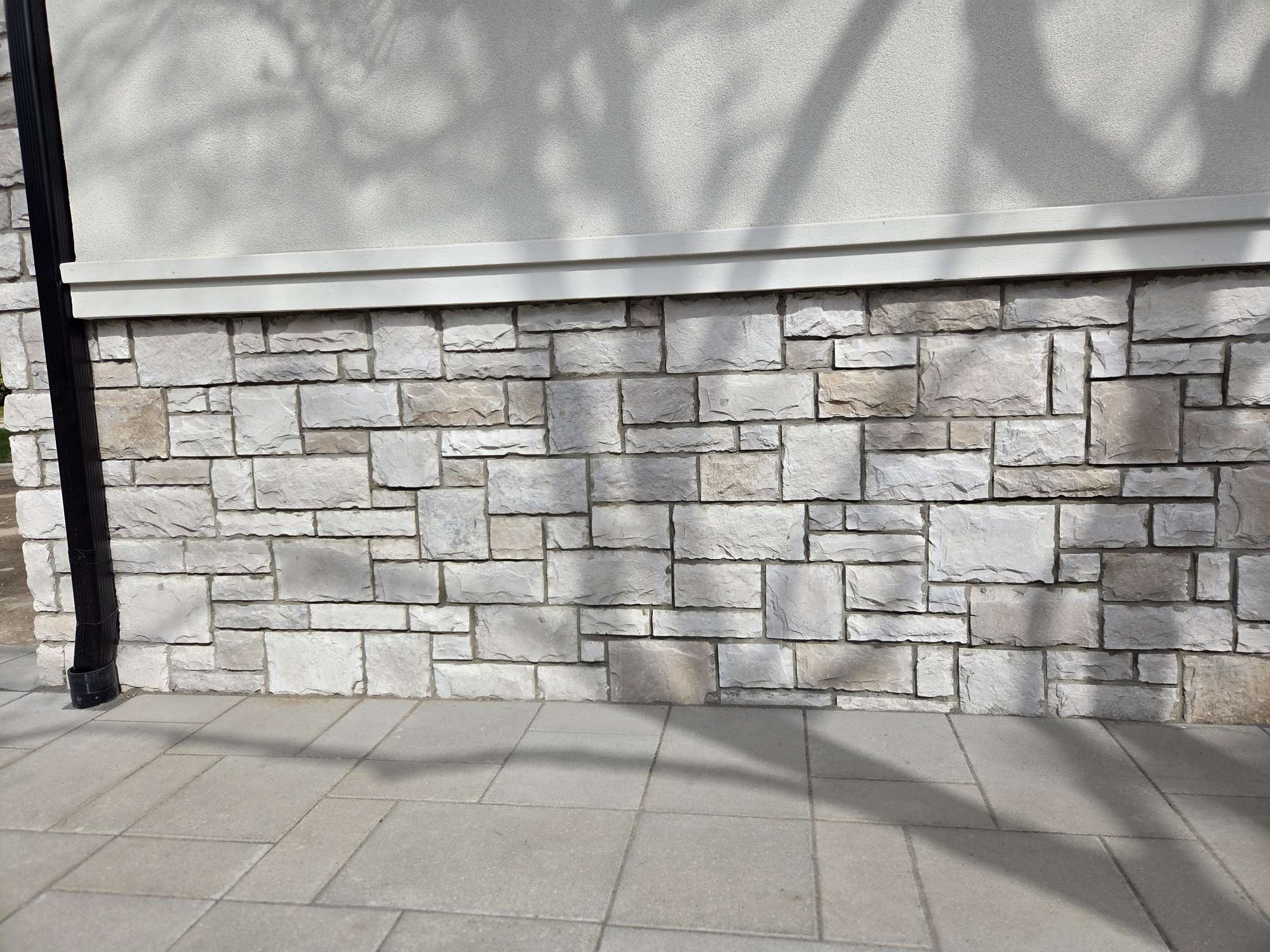
Thin-cut quarried stone. Unique, non-repeating texture and colour that can't be replicated — the trade-off is weight and cost.


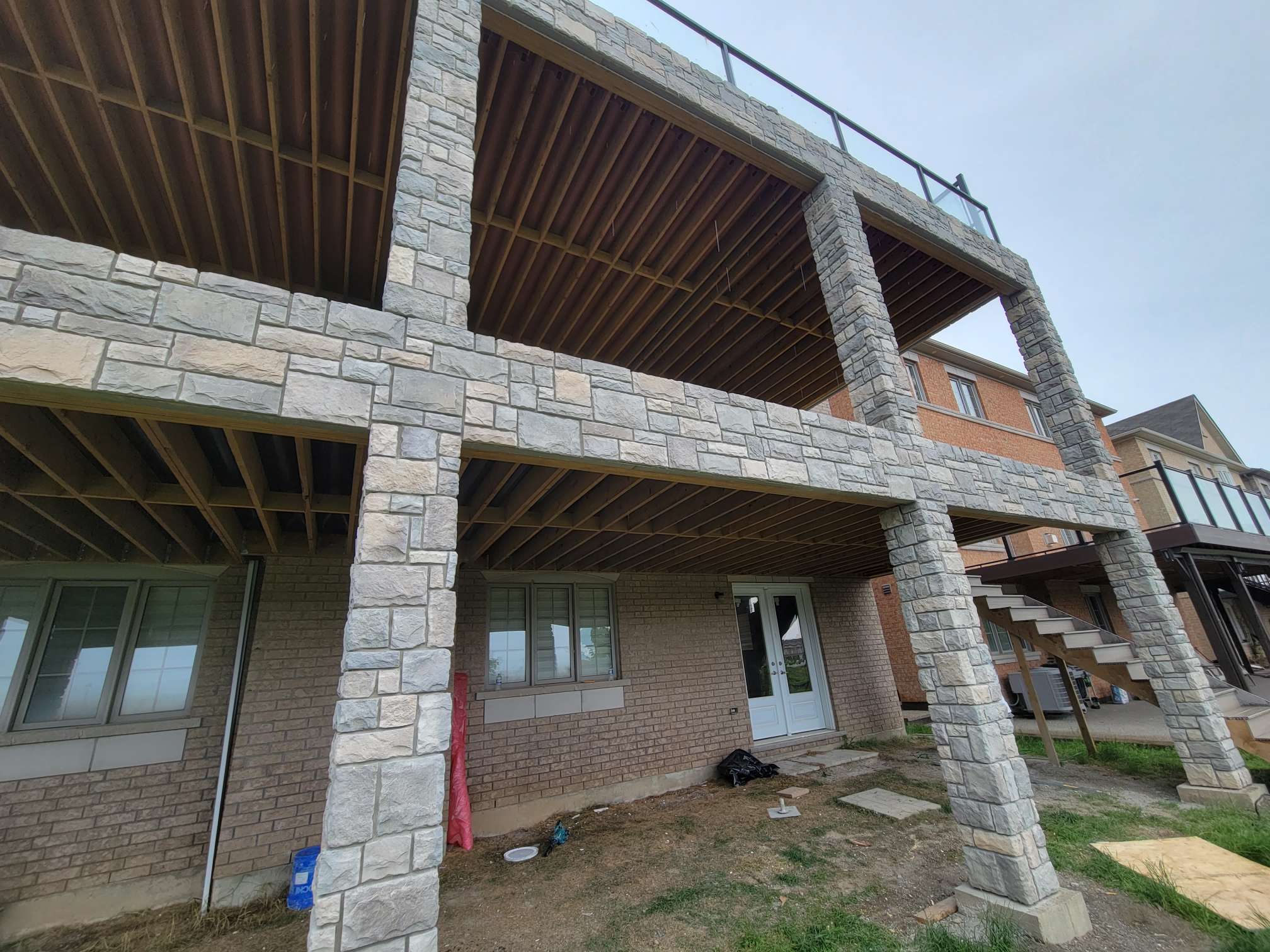
Concrete cast in molds from real stone. Consistent sizing, lighter weight, and a wider range of colour/style options.
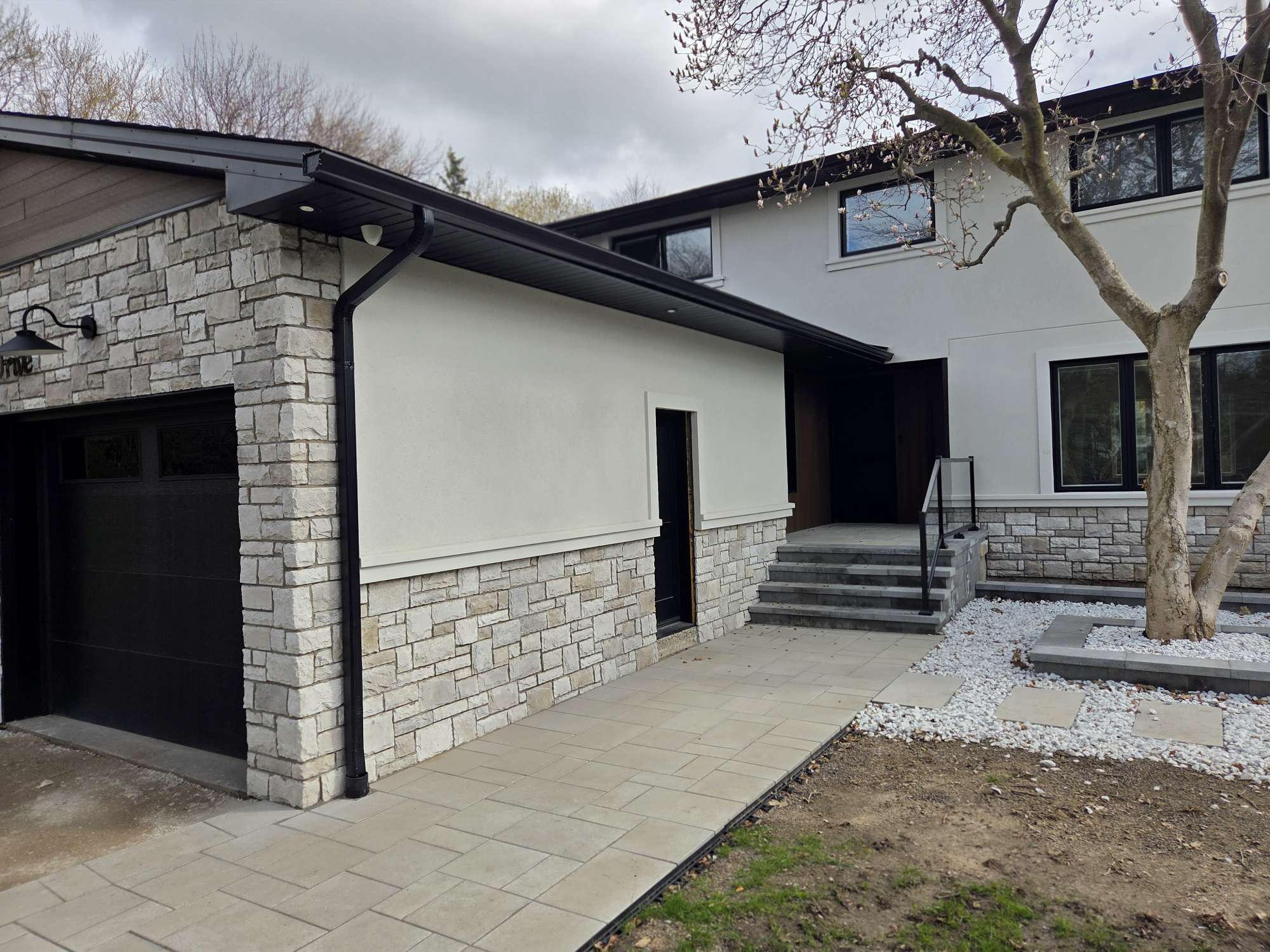
Stone and stucco together is one of the most requested exterior combinations we build — usually stone on the lower wall, entry, or as a accent band, with stucco carrying the rest of the elevation.
The detail that matters is the transition between the two materials — that joint is where water finds its way in if it isn't finished properly, regardless of how good either material looks on its own.


Every layer matters for long-term performance — skipping the moisture barrier or lath is the most common cause of failure we see in stone that was installed by someone else.
We evaluate existing wall conditions, moisture risks, and structural surface readiness.
Old or damaged areas are prepared to ensure proper bonding and system integrity.
Installation of reinforcement mesh, base coat, and moisture protection layers.
Final stucco texture and colour application tailored to the property design.
We inspect the completed system to ensure consistency and clean finish quality.
General ranges to plan around — your written quote follows an in-person assessment, not this table.
Natural stone is thin-cut quarried stone with unique, non-repeating texture — heavier and more expensive. Manufactured veneer is cast concrete molded to look like stone — lighter, more consistent, and less costly.
It depends on the existing material and its condition — sound masonry can often stay in place, while some sidings need to come off first so the moisture barrier and lath can be installed correctly.
Yes — it's one of the most common combinations we install, typically stone on the lower wall or as an accent with stucco on the rest of the elevation.
Minimal — periodic cleaning and an occasional check of the grout joints and flashing at transitions is normally enough.
Whether it's a full elevation, an accent wall, or a stucco-and-stone combination, we'll help you choose the right material for your budget and your home.