Protect your home's foundation from moisture, freeze-thaw cracking, and surface erosion. Holistic Contracting has been applying professional parging across Toronto and the GTA since 2014 using CCMC-approved polymer-modified cement systems — backed by a 10-year workmanship warranty.
Foundation parging is a thin protective coat of polymer-modified cement mortar applied to the visible surface of a home's concrete block, poured concrete, or masonry foundation wall. It serves as the primary barrier between your foundation and Toronto's harsh exterior conditions — shielding against moisture infiltration, UV degradation, freeze-thaw cycle damage, and physical abrasion.

In Toronto's climate, exposed foundations face an average of 100 freeze-thaw cycles per year. Without a sound parging layer, water penetrates the porous concrete surface, expands as it freezes, and progressively spalls and cracks the foundation face — a process that accelerates each season.
Unlike decorative cladding, parging is a functional system. When properly applied using the correct polymer-modified mix with fibre reinforcement and bonding agents, it extends the serviceable life of your foundation wall by decades and prevents costly structural repairs down the line.
Also see: Exterior Stucco Repair Services if your stucco above the foundation line is also showing damage
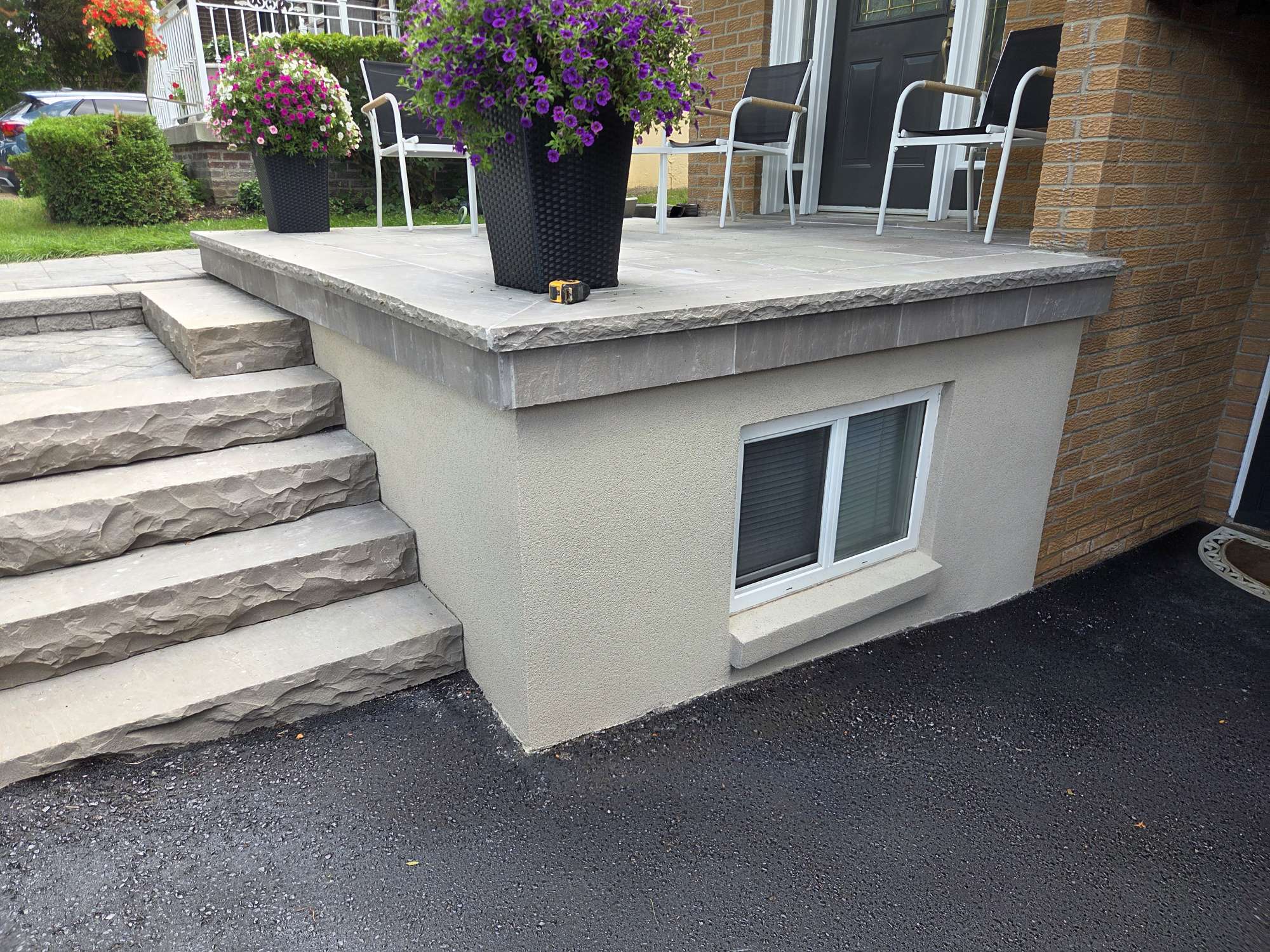
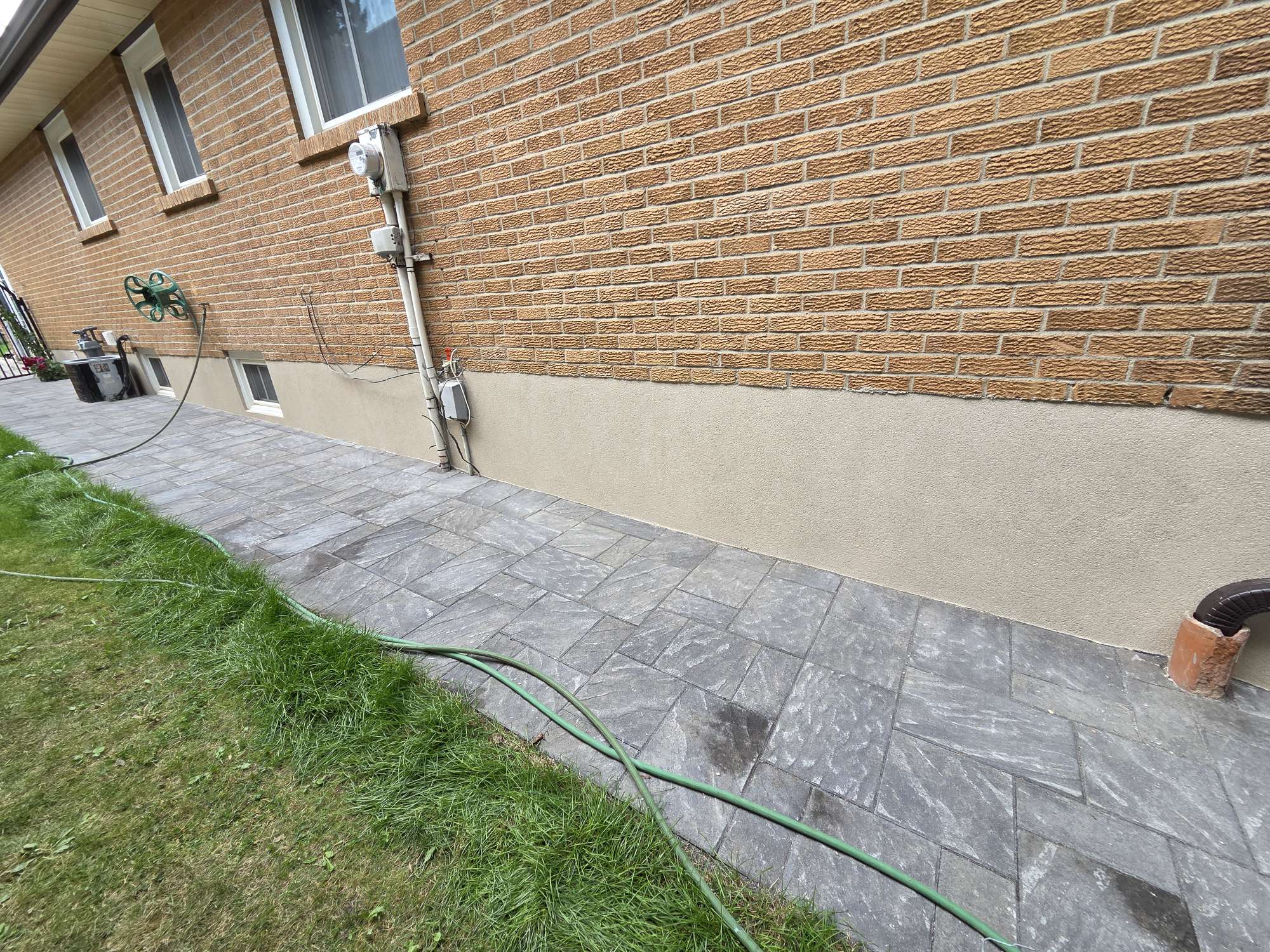
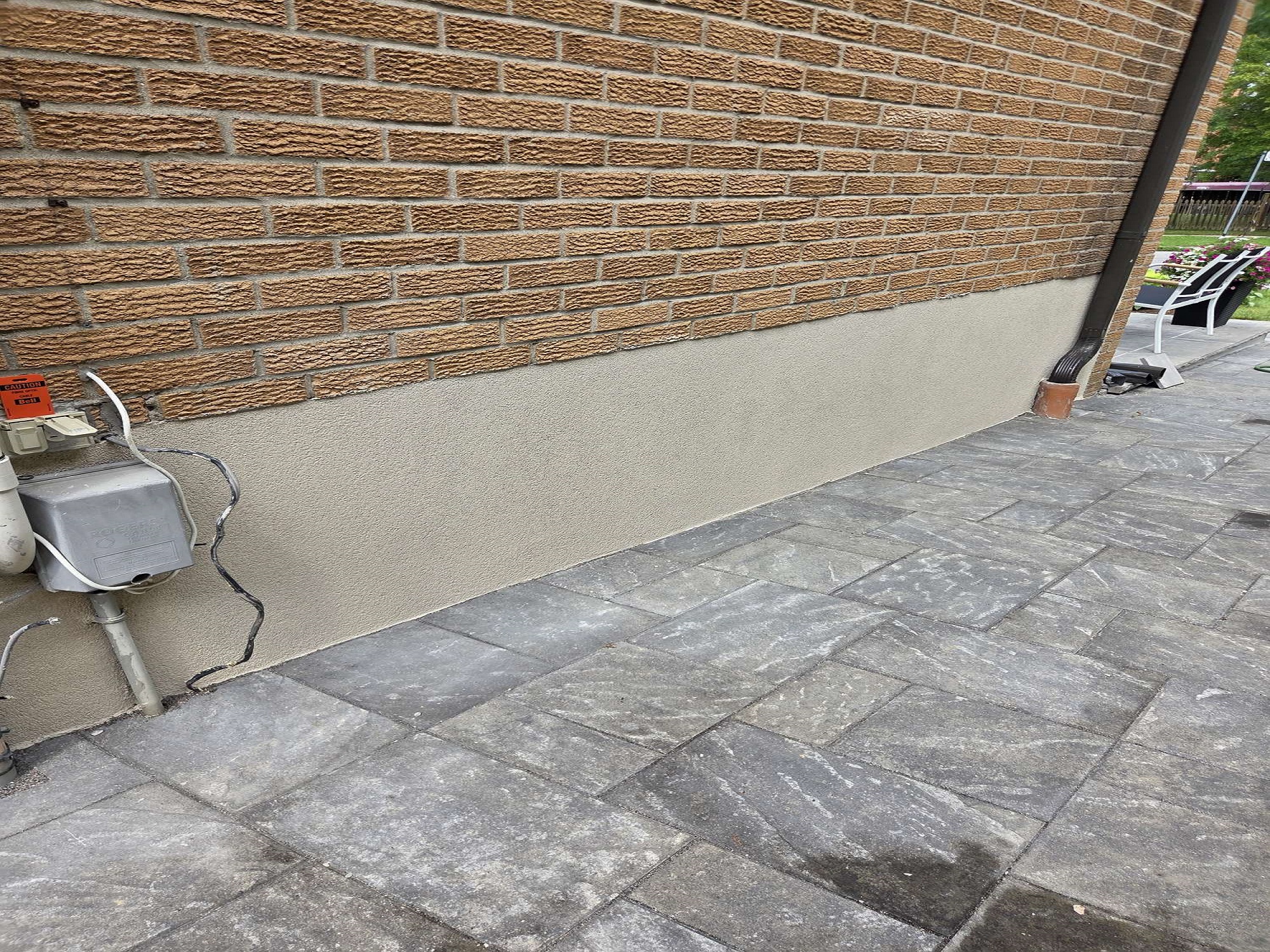
Most Toronto homeowners don't notice parging failure until it's advanced. Here's what to look for during a walkround of your property — especially in spring after the freeze-thaw season.
Chunks of parging falling away from the foundation face, revealing bare concrete block beneath. Often starts at ground level where freeze-thaw damage and soil contact is greatest.
Cracks wider than 1–2mm indicate the parging bond has been compromised. Horizontal cracks are particularly concerning as they may indicate lateral soil pressure on the foundation wall itself.
White salt deposits (efflorescence) on your foundation surface indicate water moving through the parging layer. This is an early warning that moisture is reaching the concrete beneath.
Tap the parging surface firmly with your knuckle. A hollow or drum-like sound indicates the parging has delaminated from the substrate — it must be removed and reapplied before it falls.
Interior basement wall dampness near the foundation base that correlates with rain events can indicate failed above-grade parging allowing water ingress at the foundation-to-wall transition.
If you can see the block or stone pattern through eroded parging, the protective layer has been lost entirely. Without it, freeze-thaw damage accelerates directly on your structural foundation.
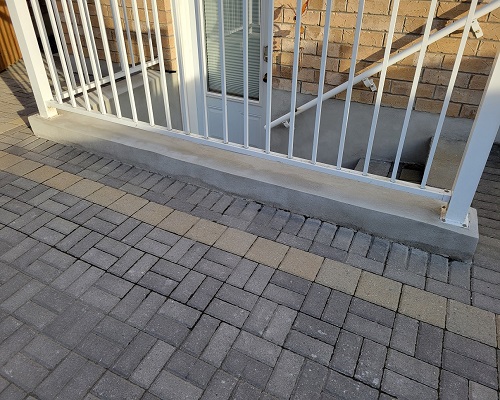

Polymer-modified Portland cement mix with fibre reinforcement applied in two coats over concrete block or poured-concrete foundations. The industry standard for GTA homes built before 2000. Excellent freeze-thaw resistance, 15–25 year lifespan when properly applied.
Applied using finish-grade acrylic-modified cement with a textured or smooth finish coat that matches or complements your home's existing exterior cladding. Available in custom colours to blend with EIFS, stucco, or brick above the foundation line.
Targeted removal of failed sections and reparge. Used when the majority of existing parging is sound and only isolated sections have cracked or delaminated. Colour-matched and feather into existing finish where possible.
OUR PROCESS
Rasit visits your property personally to assess the full perimeter of exposed foundation. We check for: existing parging condition (sound vs. delaminated), substrate integrity, drainage patterns, evidence of water infiltration, and whether a waterproofing membrane is warranted. You receive a written, fixed-price estimate — no vague "it depends" ranges.
All delaminated, crumbling, or unsound parging is mechanically removed — never parged over. Parging over failing material is the primary cause of premature failure. We remove everything back to a sound, clean substrate. For spot repairs, saw-cut edges ensure a clean bond line with no feathered edges.
Cleaned surface is pressure-washed to remove dust, efflorescence, and loose particles. Any significant cracks in the concrete substrate itself are filled and repaired before parging begins. Foundation drainage at grade level is assessed and graded away from the wall where possible.
Acrylic bonding primer is brush-applied to the entire prepared substrate surface and allowed to reach the correct tack stage before the first parging coat is applied. This step is non-negotiable — it is the primary determinant of long-term adhesion performance.
Polymer-modified cement scratch coat applied with or without reinforcing mesh, at 8–10mm thickness, textured to provide mechanical key for the finish coat. Allowed to cure for a minimum of 24 hours — rushing this step causes the finish coat to crack as differential curing occurs.
Final polymer-modified or acrylic finish coat applied at 5–8mm, trowelled to the specified finish — smooth, sand, or textured. Colour pigment integrated throughout the mix rather than surface-painted ensures the colour is durable and non-fading.
Final inspection checks uniformity, edge details, and transition to adjacent cladding. Rasit walks through the completed work with you.
FREQUENTLY ASKED QUESTIONS
Foundation parging in Toronto typically costs $400–$900 for spot repairs, $3,500–$6,500 for a full strip and reparge of an average bungalow (approx. 80–120 linear feet), and $6,000–$14,000 for parging combined with a waterproofing membrane. Variables include linear footage, foundation height, substrate condition, and whether scaffolding is required. All Holistic Contracting estimates are free, written, and fixed-price.
Professionally applied parging using polymer-modified cement and CCMC-approved materials typically lasts 15–25 years in Ontario's climate. Parging applied with improper mixes or without bonding agents can begin failing within 3–5 years due to Toronto's 100+ annual freeze-thaw cycles. Holistic Contracting backs all parging work with a 10-year workmanship warranty — far beyond the industry standard.
Parging requires ambient and surface temperatures above 5°C during application and for at least 24–48 hours after. In Toronto this typically means the parging season runs from late April through late October. Winter emergency repairs in cold weather require heated enclosures and are significantly more expensive — we recommend addressing parging issues in the spring or fall when possible.
Yes — parging can be painted after full curing, typically 28 days for cement-based mixes. Use a masonry-specific elastomeric paint that breathes and flexes with the substrate. Avoid standard interior or exterior latex paints, which can trap moisture behind the parging and cause premature delamination. We recommend Holistic Contracting's preferred elastomeric masonry coatings — ask during your estimate.
In most cases, cosmetic parging repairs and resurfacing do not require a building permit in Toronto or GTA municipalities. However, if the work involves structural changes to the foundation wall itself, a permit may be required. We're happy to advise during your free on-site estimate. Different municipalities (Mississauga, Brampton, Vaughan, etc.) have varying requirements — we're familiar with the rules across the GTA.
We complete foundation parging installation and repair projects across Toronto and the entire Greater Toronto Area. Click your city to learn more about our services in your area.
Foundation damage often accompanies issues with the exterior walls above. We handle the full exterior envelope.
Rasit visits your property personally, assesses the full foundation, and provides a written fixed-price quote — no obligation, no pressure, no vague ranges.

Are you ready to start your journey with us?
Do you have any questions related to Stucco?


